Cleaning and caring for ceramic sinks properly
Ceramic sinks are rightly considered easy to clean. Their surface is smooth, hard and completely closed. This prevents dirt and liquids from penetrating the material. To keep your sink beautiful for a long time, you should consider some points when cleaning ceramic. In our video, we show you the three stages of cleaning and give recommendations for suitable care products. This way you will enjoy your BLANCO sink for many years!
What makes ceramic sinks special
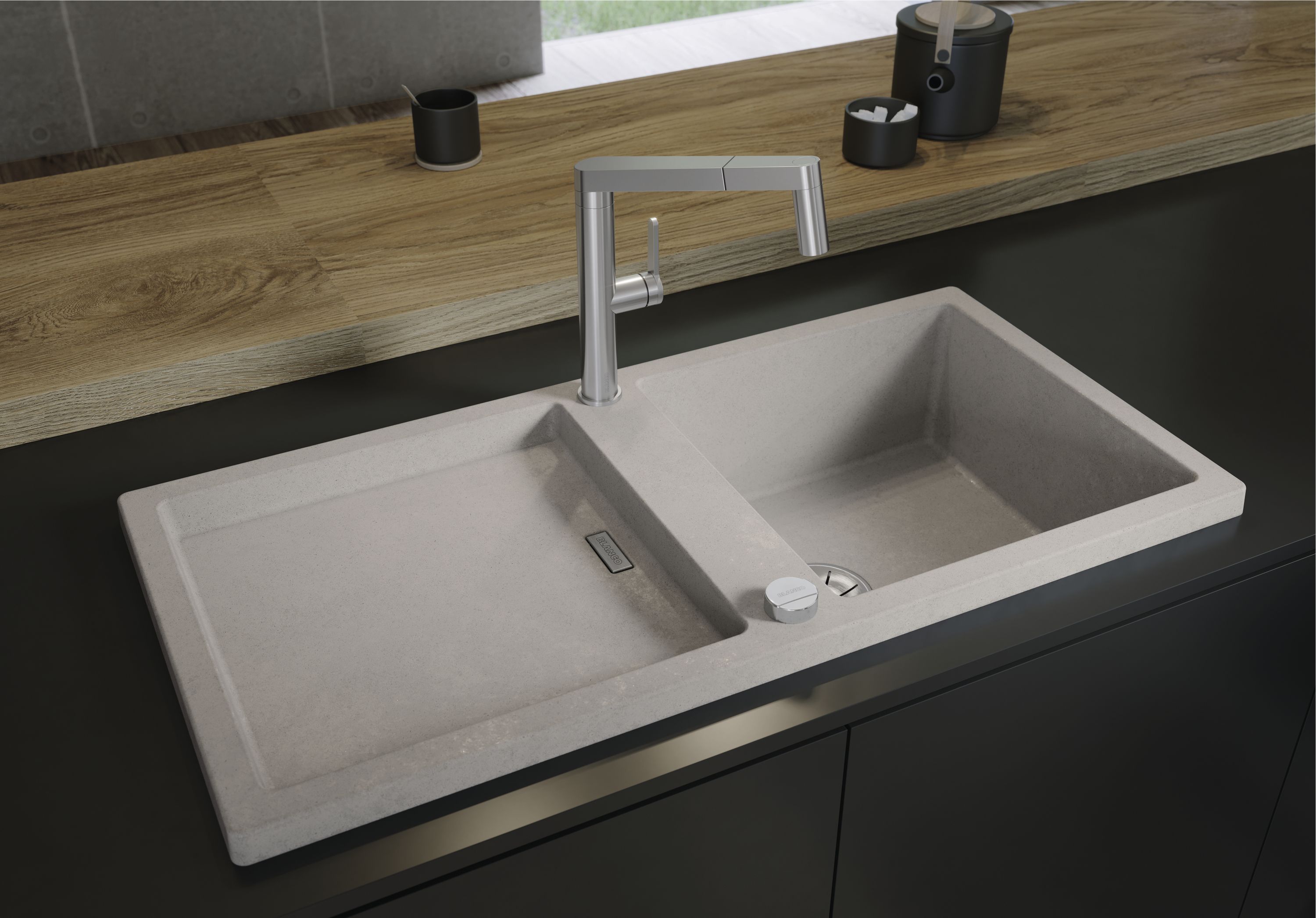
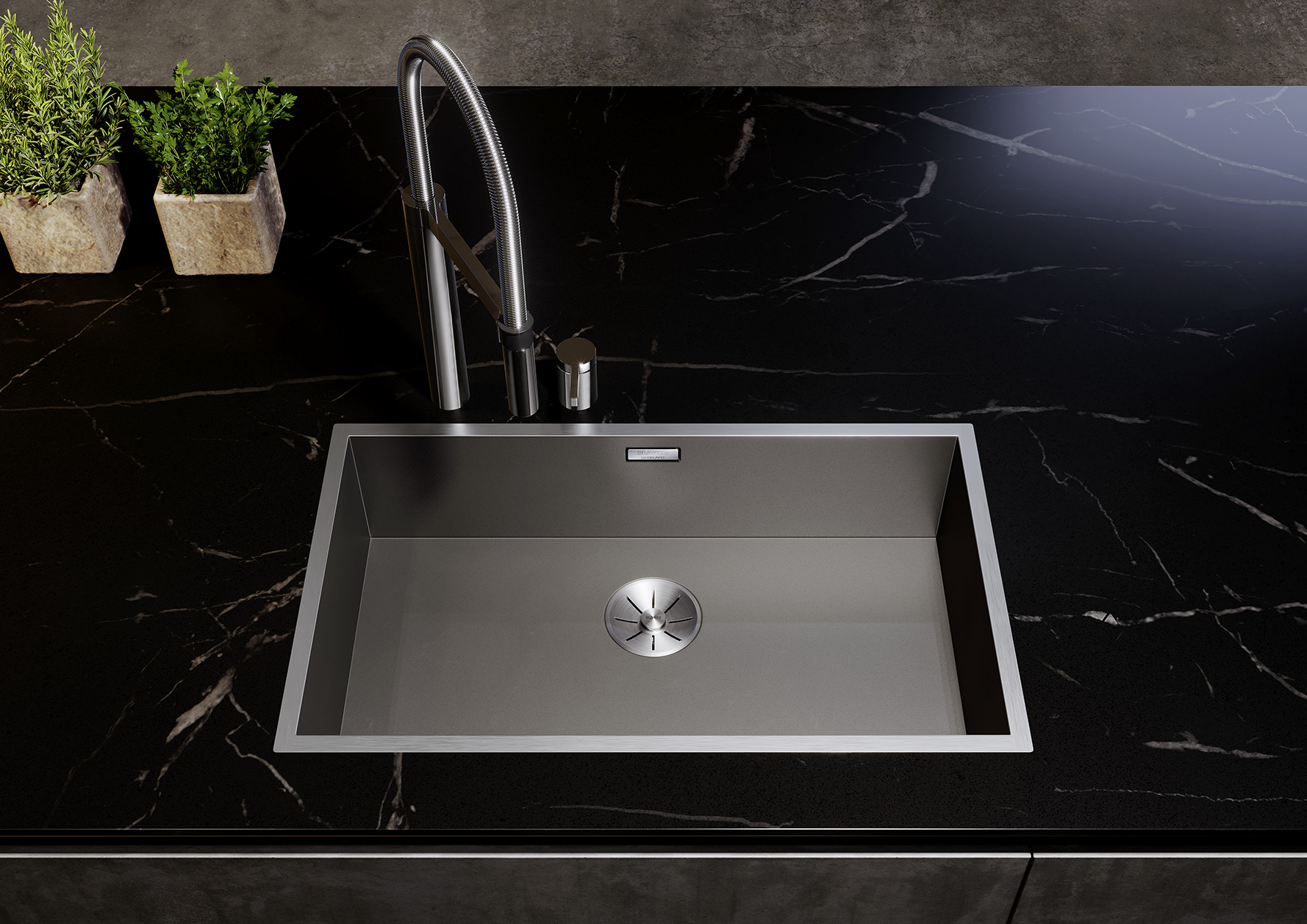
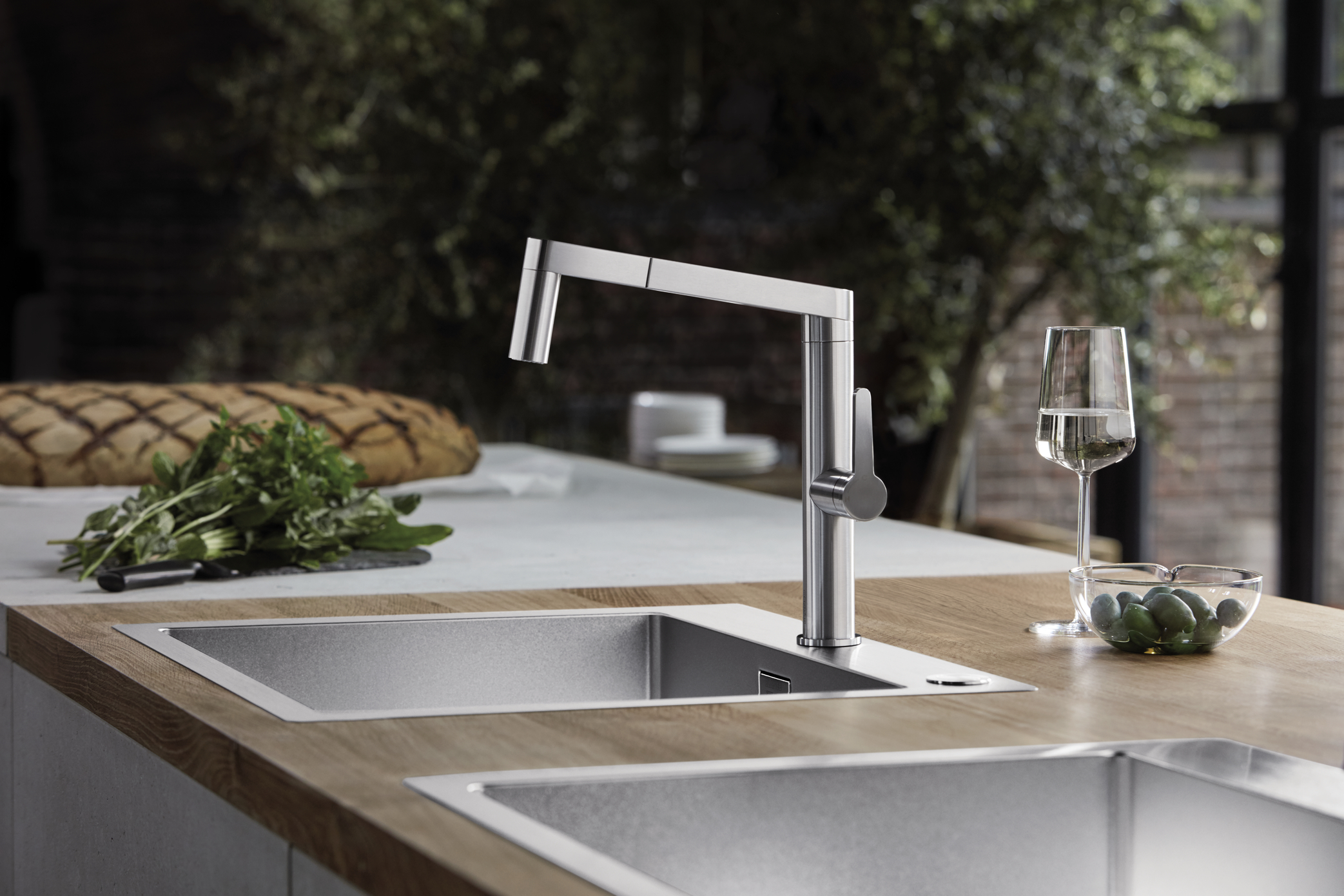
Ceramic is a highly resistant material. It is resistant to heat and cold, as well as being shock- and scratch-proof. Bacteria have no chance against the smoothness of ceramic sink surfaces. Liquids such as water and oil run off it very easily, so that hardly any marks can form. These properties mean that ceramic sinks always look very clean and well cared for. Their soft feel also makes day-to-day work with ceramic sinks a real pleasure.
Impressive ceramic sinks
Avoid these cleaning agents
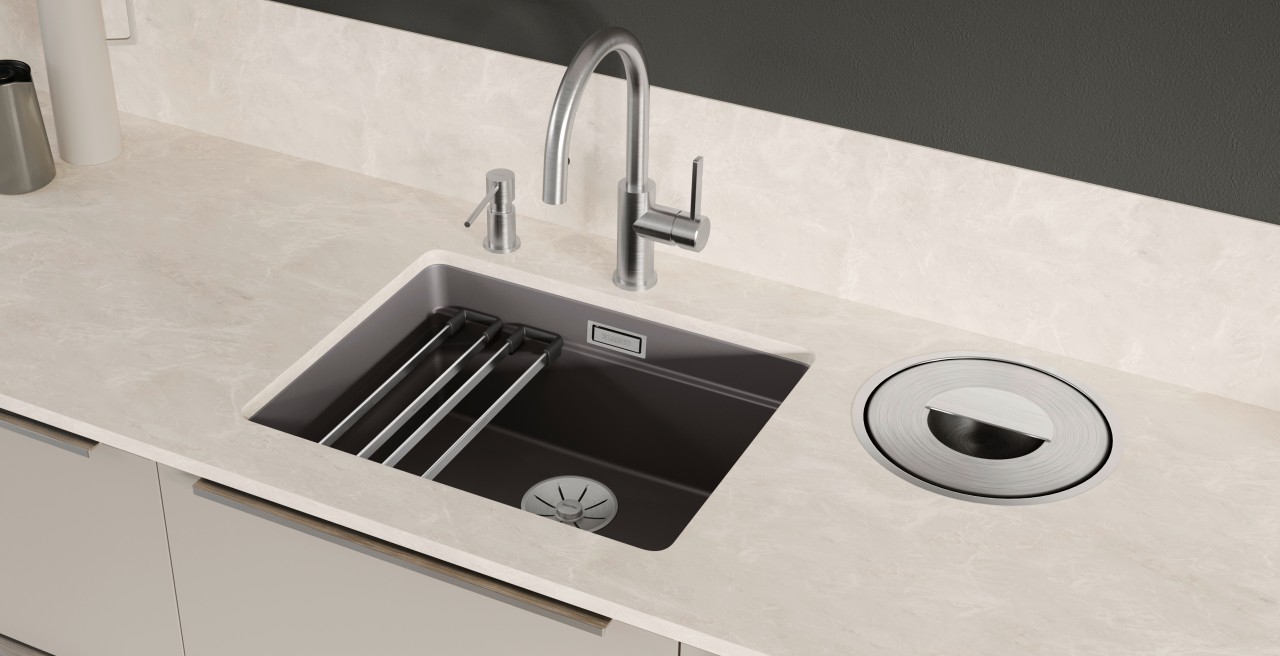
Although ceramic surfaces are impervious to marks, you should be aware of the following: Certain cleaning agents should not be used to clean ceramic. These include:
- Scouring agents or powder
- Aggressive, highly concentrated drain cleaners
- Strong mixer tap and steel cleaners
- Prickly brushes or steel sponges
All of the aforementioned things can cause damage to the surface. This causes the sink to lose its shine and appear matt. In order to avoid this, we recommend using BLANCO cleaning and care products, which are designed for the precise properties of ceramic.
Three cleaning levels for a clean sink
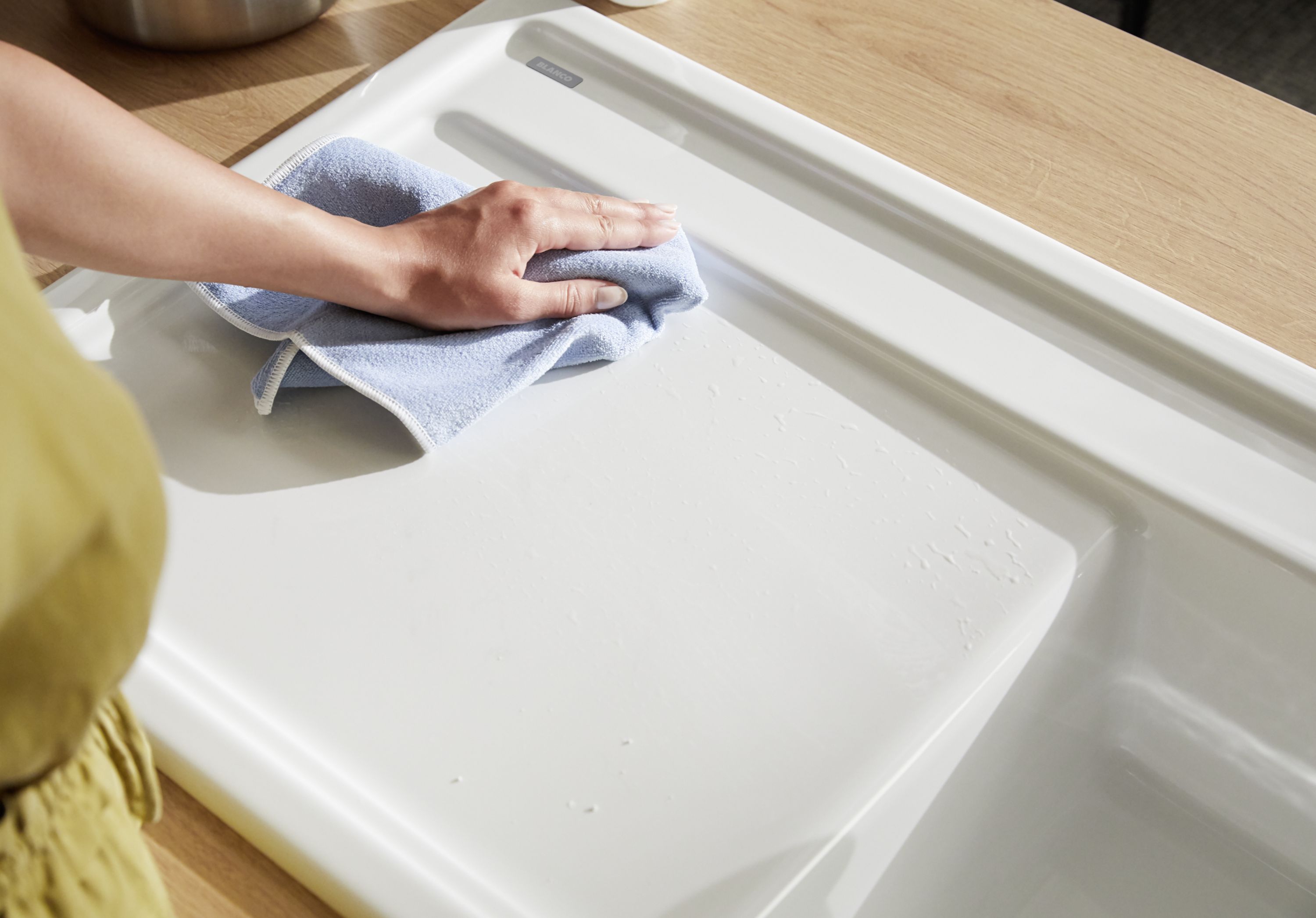
Sinks made of ceramic are extremely easy to clean. Thanks to the sealed surface, dirt does not penetrate, but merely adheres to the surface. A little washing-up liquid and water - and your sink will shine again. Every now and then, take the time to freshen up the coated surface. We'll show you how to properly care for your ceramic sink.
Daily cleaning
The weekly thorough cleaning
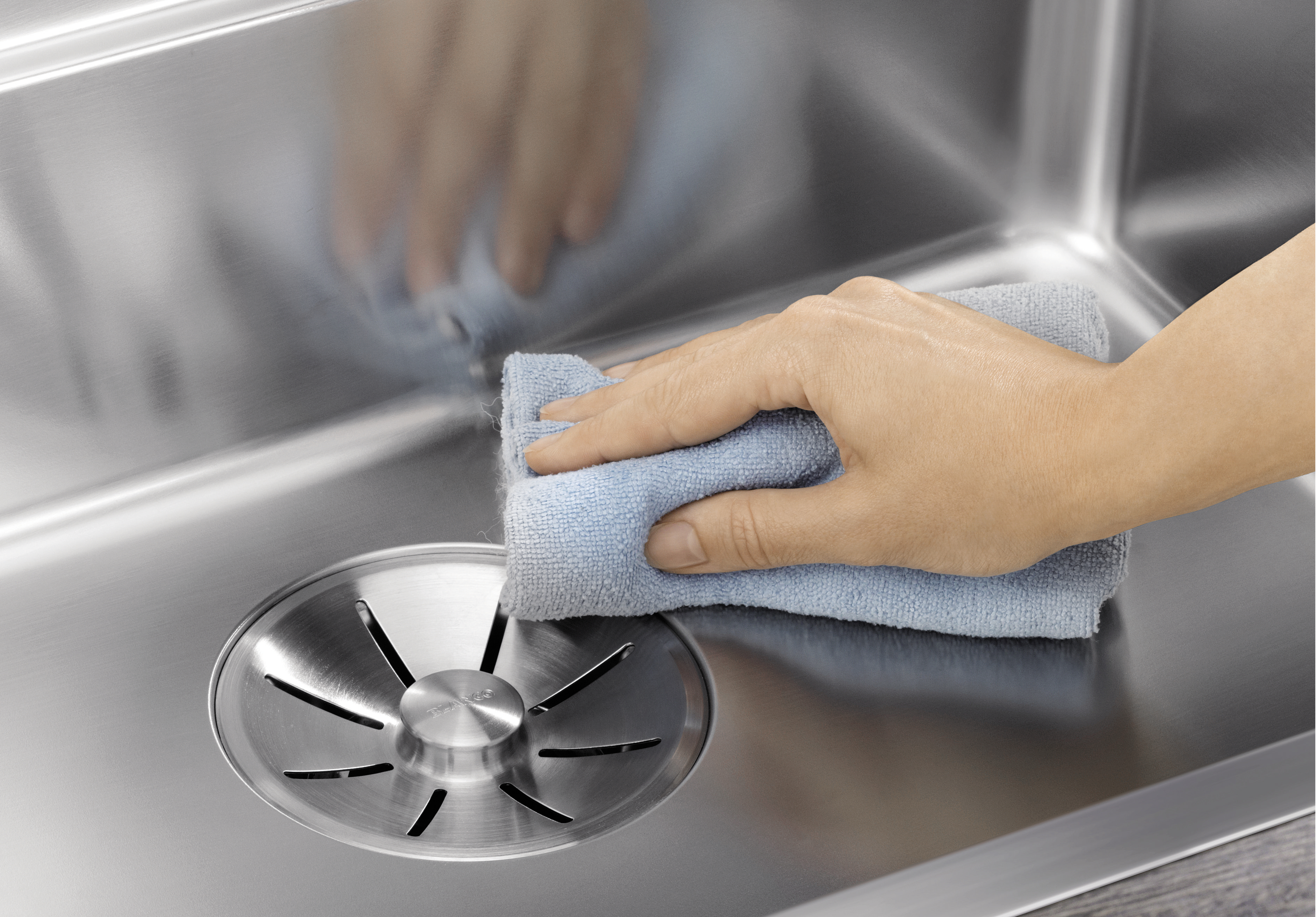
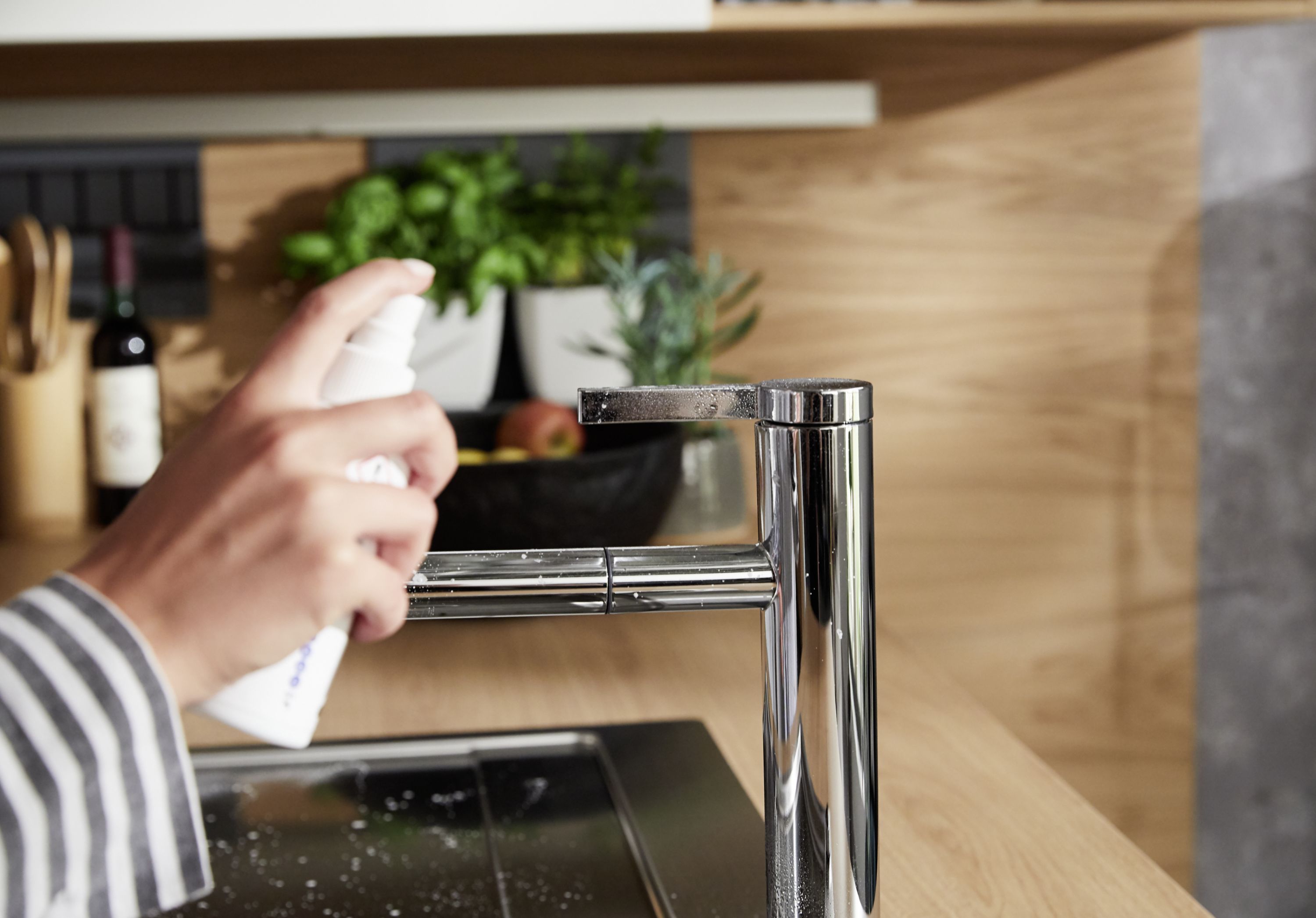
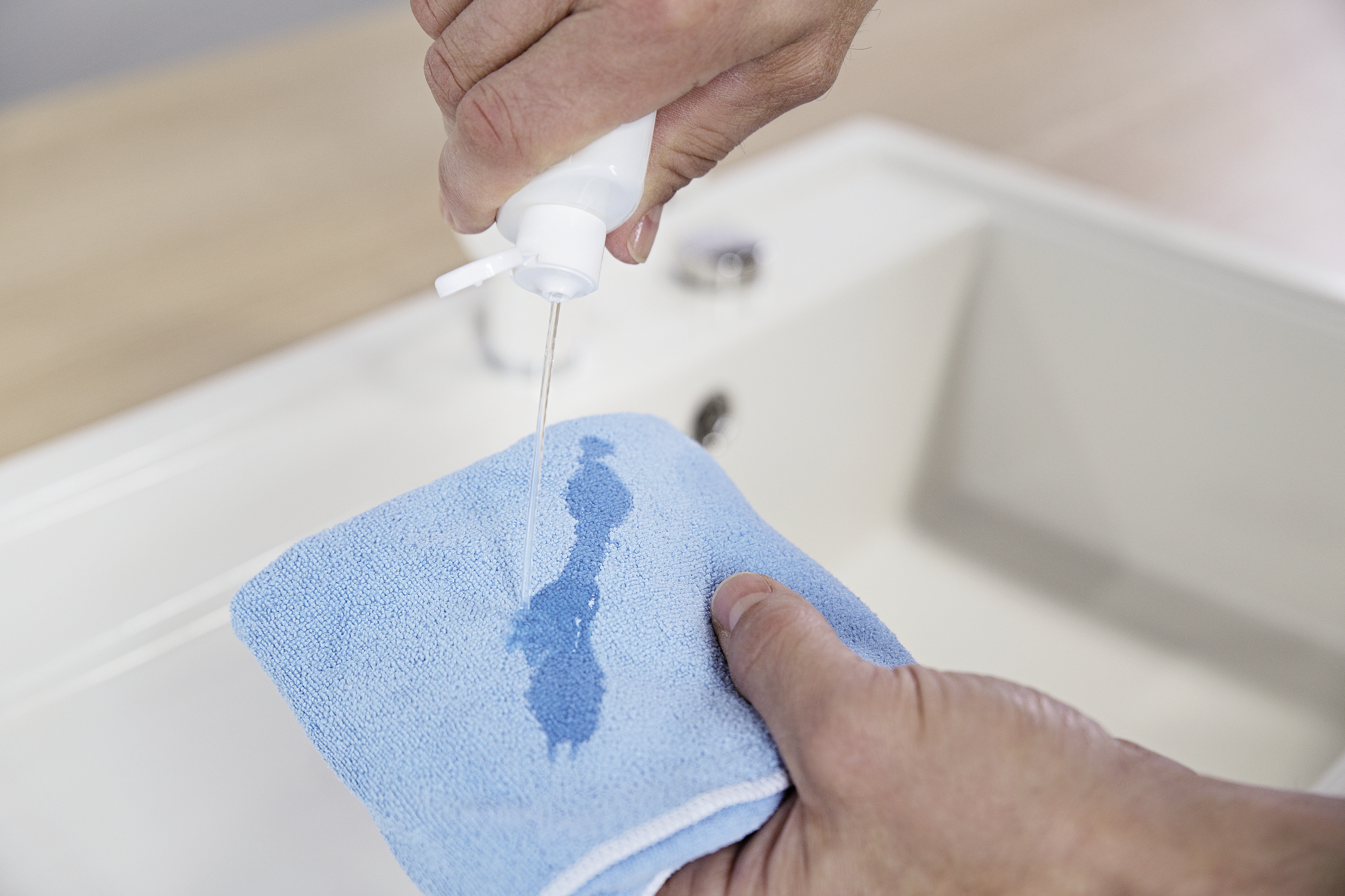
Sooner or later, limescale deposits settle on every sink. Especially on dark sinks, the milky stains are quickly noticeable. But what is the easiest way to remove limescale from ceramic sinks? For light limescale deposits and stains, we recommend regular use of our professional limescale cleaner BLANCO DailyClean+. To clean your ceramic sink and dissolve the limescale, simply spray BLANCO DailyClean+ onto the affected areas and allow the cleaner to work in briefly. Then wipe everything dry with a damp cloth and a microfiber cloth. With little effort, you can make your sink shine again.
Monthly deep-cleaning
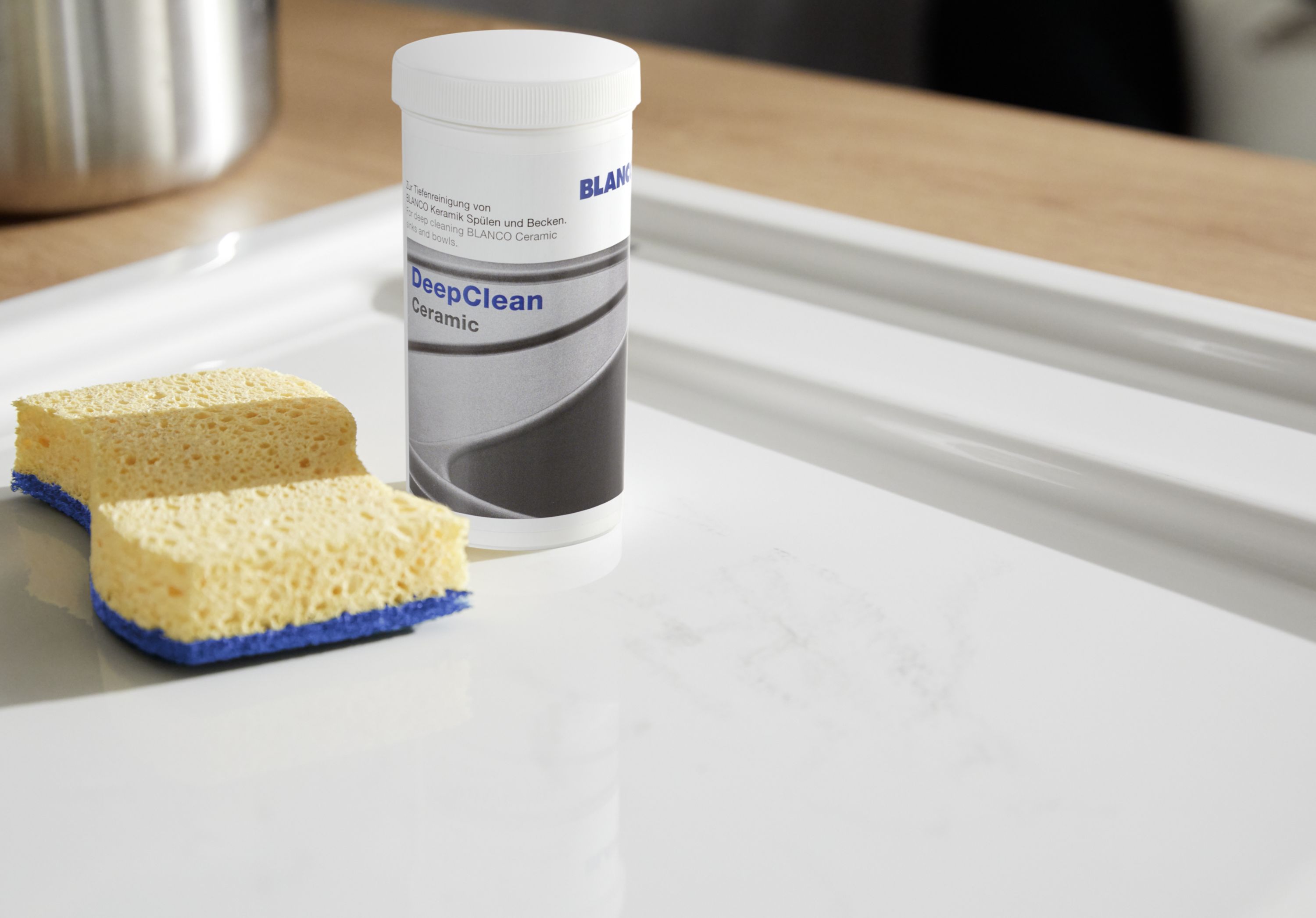
To deal with particularly stubborn limescale deposits or metal abrasion, deep cleaning with BLANCO DeepClean Ceramic, a special cleaner for ceramic surfaces, is recommended. Such deep cleaning should always be carried out when the soiling can no longer be removed with regular cleaning.
The application is very simple: pour the powder onto a moistened sponge and apply. On horizontal surfaces, the powder can also be sprinkled directly. Then work the powder in with a damp sponge and then wipe the sink clean with a damp cloth. Any residue can be rinsed off with clear water and a little washing-up liquid. Finally, rub dry with a microfiber cloth.
Alternatively, you can also use our biological cleaner DeepClean Ceramic. It dissolves limescale and grease and cares for your sink at the same time.
Refreshing the surface of ceramic sinks
Questions about ceramic sinks
When vegetables, meat and fruit have all done their worst on the ceramic sink, you’d expect to be faced with something of a disaster. But you don’t need to worry about all that with your ceramic sink. The smooth and completely unbroken surface ensures that no dirt can settle on it. What’s more, any soiling that is visible after long cooking sessions is easy to tackle. Just get a soft sponge, a little washing-up liquid and warm water, and wipe it away. A microfibre cloth is best for rubbing it dry. However, steer clear of scouring agents, steel brushes and aggressive mixer tap cleaners containing chlorine. Your ceramic sink won’t like these at all.
If time-consuming cleaning marathons really aren’t your thing, rest easy: your ceramic sink is very low-maintenance. Just putting some warm water and washing-up liquid on a soft sponge and cleaning your kitchen sink with it every day will do the trick. Limescale is best avoided by rubbing your sink dry with a microfibre cloth afterwards.
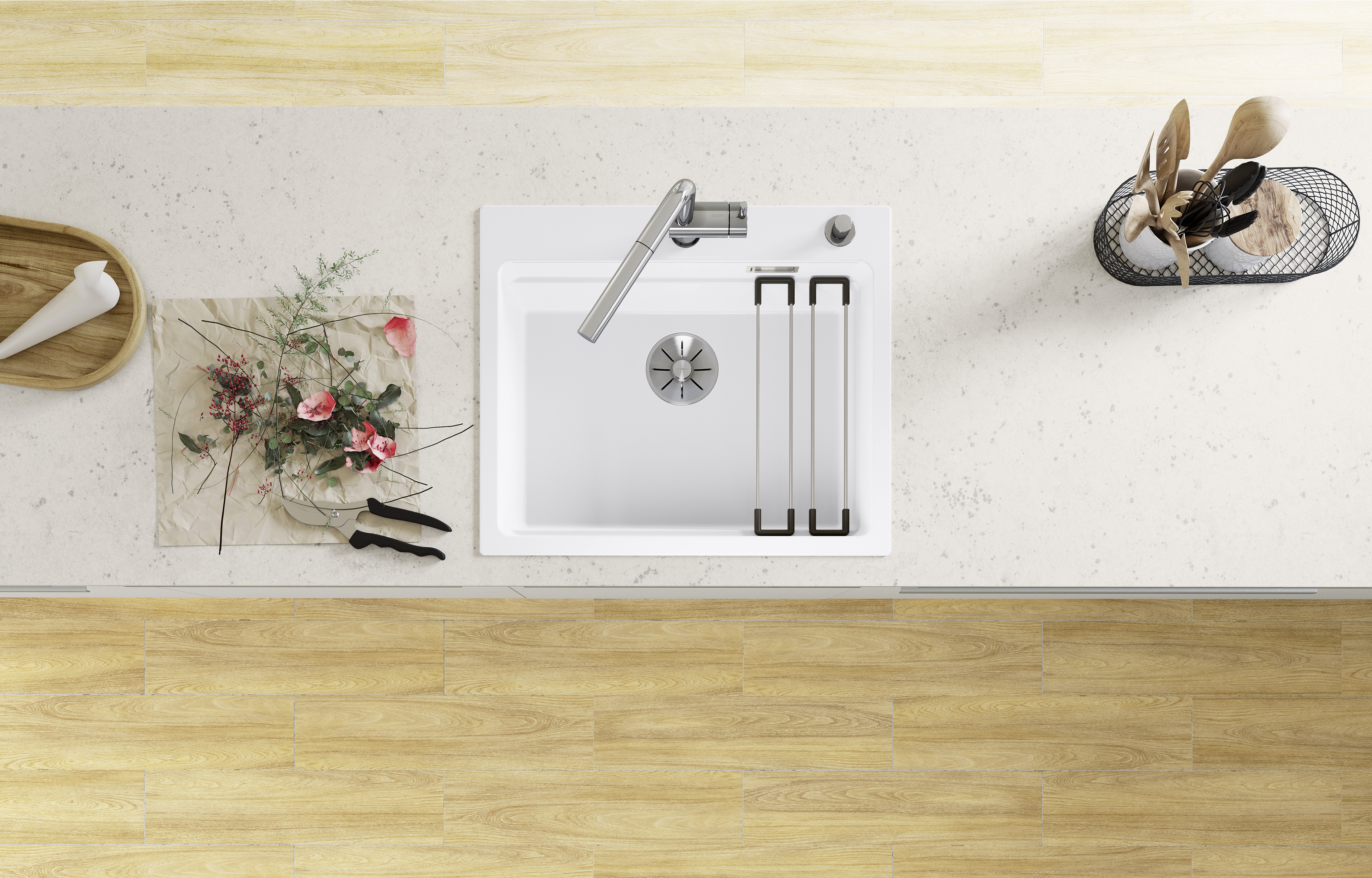
If you find stubborn dirt on your otherwise spotlessly clean sink, it’s best to opt for a professional cleaning agent. BLANCO PuraPlus Liquid goes a good job of pre-cleaning worktops that require extra effort. This cleaner removes limescale deposits and metal abrasion, without being too taxing. Fast and straightforward In order to ensure that water continues to roll off your sink, it’s worth using a care product like BLANCO CeraCare, which both cleans and nourishes the surface. This will re-seal the surface of your sink. Avoid scouring agents, aggressive drain cleaners and scratchy brushes or steel sponges. These will damage the pristine surfaces. What’s more, they could cause the sink to lose its lovely shine.
Our ceramic sinks are non-fade. This means that you can install your sink in a bright room or in front of a window. Direct sunlight doesn’t pose any problem, so the colour of your sink will stay just as it was when you got it, for years to come. By the same token, standard household use of your sink will not alter its colour.
If your sink sees a lot of use, light limescale deposits may form over time. When combined with foodstuffs like coffee or red wine, this can cause slight discolouration. But there’s no need to panic: you can address the problem in a matter of minutes. In this case, use vinegar concentrate or a professional biological cleaner such as our BLANCO DeepClean Ceramic. Soon you’ll see that you were worrying about nothing.
Stains are just as noticeable on a dark sink as on a light one. On the dark background of your ceramic sink, the milky lime stains are particularly easy to see. If they have absorbed tea, coffee or other liquids, the stains will be somewhat darker. But they are very easy to remove:
For this, rely on a mild cleaner such as BLANCO DailyClean+, a little vinegar cleaner or citric acid - you do not need aggressive cleaners here. Spray the stains with BLANCO DailyClean+ or another cleaner of your choice and let it soak in. Then remove the stains with a soft sponge and rinse with clean water. Finally, rub the sink dry with a microfiber cloth and the deposits are gone.
Note for owners of a silgranite sink: The cleaning process is the same here. However, especially with silgranite, avoid strong caustic or solvent-based cleaners, as these can attack the surface of granite sinks.
The strainer basket is very easy to clean. Use powdered dishwashing detergent and spread it on the closed strainer basket. Pour in hot water and clean the strainer basket and drain cup after the reaction time. Detailed instructions can be found in the FAQ section of our service page.